
With over 1.2 million gig workers in AI-related roles globally, per a 2024 Upwork report, AI training work offers flexibility and remote opportunities, yet comes with job insecurity and unique challenges. This guide dives deep into the pros and cons of AI training gigs, packed with real-world examples, data, and practical tips to help you thrive.
Whether you're a newbie annotator or a seasoned trainer, read on to master the gig economy and make AI training work for you!
- 1.2 million gig workers globally in AI-related roles (Upwork, 2024)
- 25% annual growth projected in AI data annotation jobs through 2030
- $5-$40/hour pay range from basic labeling to advanced RLHF
- Global accessibility with platforms hiring worldwide
The Allure of AI Training Gigs: Why They're Booming
AI training involves tasks like data annotation, supervised fine-tuning (SFT), or reinforcement learning with human feedback (RLHF), all critical to building models like those powering Grok or ChatGPT. The gig economy model—where you work project-based tasks on platforms like Remotasks or Lionbridge—has exploded because:
- Low entry barriers: No degree? No problem. Many platforms require only basic skills and a laptop.
- Global demand: A 2025 McKinsey study projects a 25% annual growth in AI data annotation jobs through 2030.
- Remote work: Work from anywhere, anytime, as long as you meet deadlines.
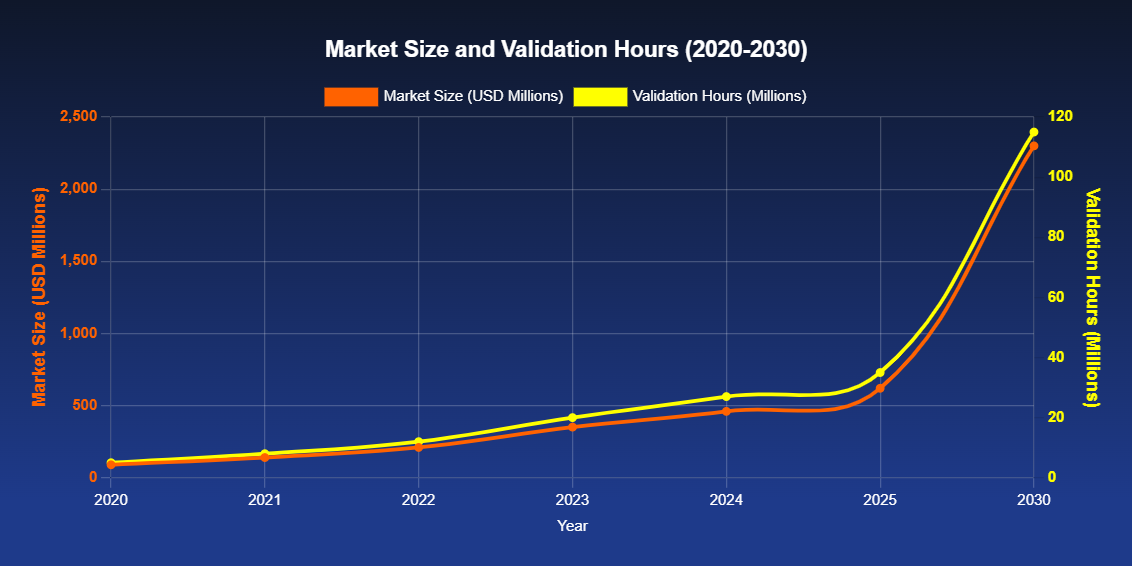
The explosive growth in AI training opportunities reflects the global demand for human intelligence in machine learning.
Market Growth
AI annotation market expected to reach $3.6 billion by 2030, driven by demand for human-in-the-loop training.
Pros of AI Training Work in the Gig Economy
1. Unmatched Flexibility
AI training gigs let you set your own schedule. Need to work nights? Prefer 20 hours a week? Platforms like Appen and Invisible offer tasks you can pick up anytime.
Real-World Example: Sarah's Success
RemotasksSarah, a part-time annotator from Texas (shared on X in 2024), labels images for computer vision models on Remotasks. She works 15 hours weekly around her college schedule, earning $300-$400 monthly.
"I love that I can pause during finals week and jump back in later."
Flexibility Stats
A 2024 Appen survey found 82% of annotators value flexibility as their top reason for choosing gig work.
2. Diverse Task Variety
From tagging tweets for sentiment analysis to drawing bounding boxes for self-driving cars, AI training offers a range of tasks. This keeps work engaging and lets you build skills across domains like NLP or computer vision.
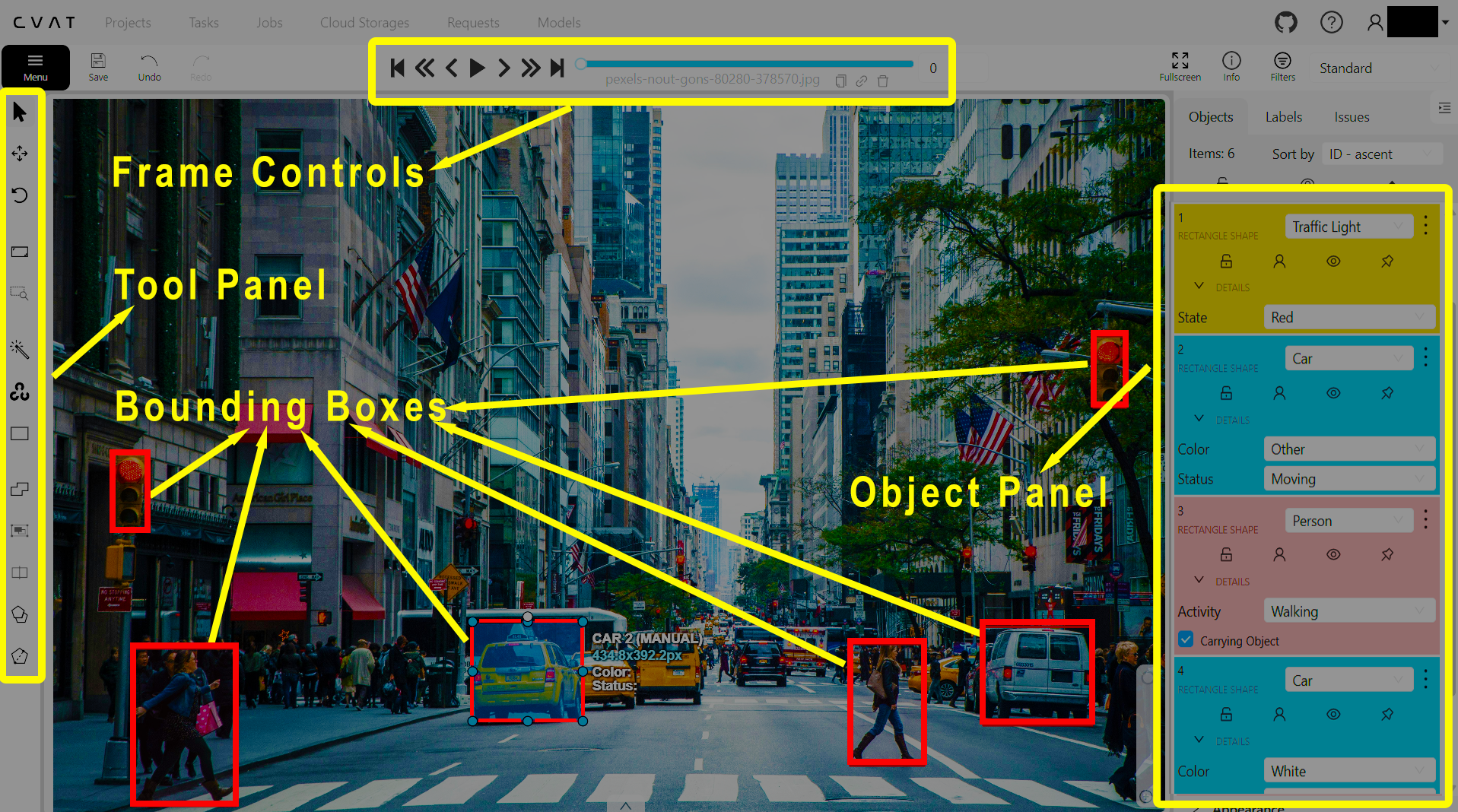
Examples of AI training tasks, from text annotation to image segmentation, showcasing the diversity of gig work.
3. Skill Development
AI training exposes you to tools like Label Studio, CVAT, and proprietary platforms, plus concepts like RLHF or bias mitigation. These skills can lead to higher-paying roles, like quality assurance or model evaluation.
Career Growth: John's Journey
LionbridgeJohn, a Lionbridge annotator (anonymized from a 2025 Reddit thread), learned basic Python for data cleaning during a project. He later landed a $25/hour QA role, doubling his initial $12/hour rate.
4. Global Accessibility
Whether you're in Nairobi or New York, platforms like Clickworker and DataAnnotation.io hire worldwide, democratizing access to tech jobs.
Global Reach
Remotasks reported in 2024 that 60% of its annotators are from non-Western countries, highlighting global reach.
Cons of AI Training Work in the Gig Economy
1. Job Insecurity
Gig work lacks the stability of traditional jobs. Projects can end abruptly, and platforms may deactivate accounts for minor guideline violations.
Reality Check: Maria's Experience
AppenMaria, an Appen annotator (shared on X in 2024), lost access to a $15/hour search evaluation project after it ended unexpectedly.
"I had no backup plan and spent weeks finding new tasks."
Income Volatility
A 2023 Upwork study found 65% of gig workers in AI training experience income fluctuations of 20% or more monthly.
2. Low Pay for Beginners
Entry-level tasks often pay $5-$12/hour, especially on crowded platforms. Complex tasks like RLHF or prompt engineering pay more ($20-$40/hour), but require experience.
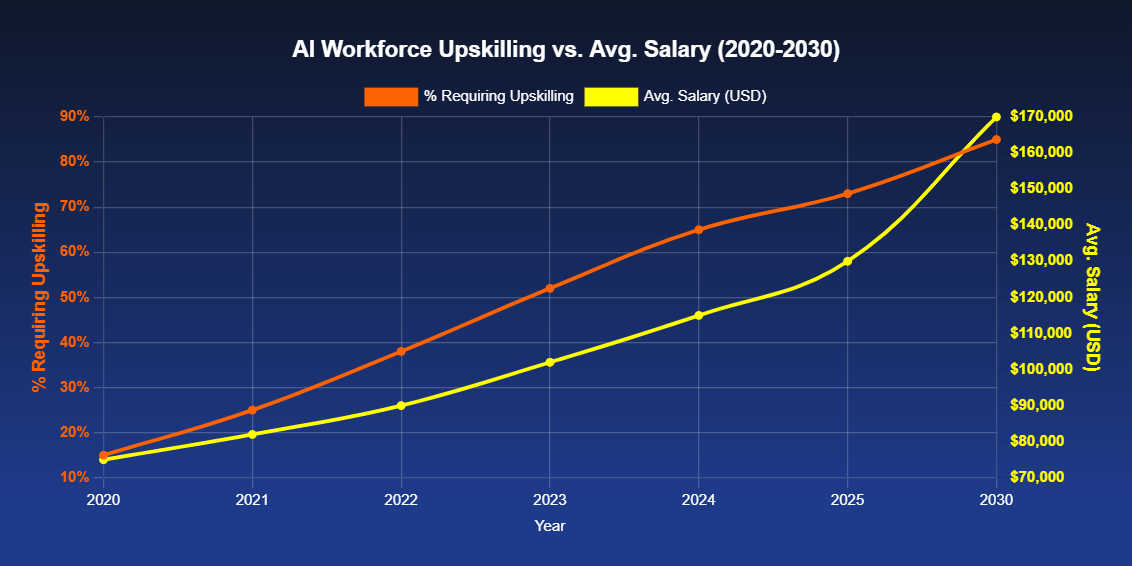
Pay ranges for AI training tasks, from $5/hour for basic labeling to $30/hour for advanced RLHF, based on 2024 platform data.
3. Repetitive and Isolating Work
Labeling thousands of images or ranking responses can feel monotonous. Plus, remote gig work lacks the social interaction of office jobs.
Burnout Warning
RedditA 2024 Reddit post by u/AIAnnotator123 described burnout after labeling 10,000+ product images.
"It's mind-numbing without breaks."
4. Tax and Benefit Challenges
As a freelancer, you're responsible for taxes, health insurance, and retirement savings. Missteps can lead to penalties or unexpected costs.
Tax Planning
A 2025 Intuit survey revealed 40% of gig workers underpay quarterly taxes due to poor planning, risking IRS fines.
Key Challenges and How to Overcome Them
1. Managing Multiple Platforms Simultaneously
To combat income volatility, many annotators work across platforms like Appen, Remotasks, and Scale AI. This maximizes task availability but requires organization.
Pro Tip
Use tools like Trello or Notion to track tasks, deadlines, and payments across multiple platforms.
Multi-Platform Success: Alex's Strategy
Multiple PlatformsAlex, a full-time annotator (from a 2024 X thread), uses a Notion dashboard to juggle three platforms, earning $2,000 monthly by balancing 30 hours across tasks.
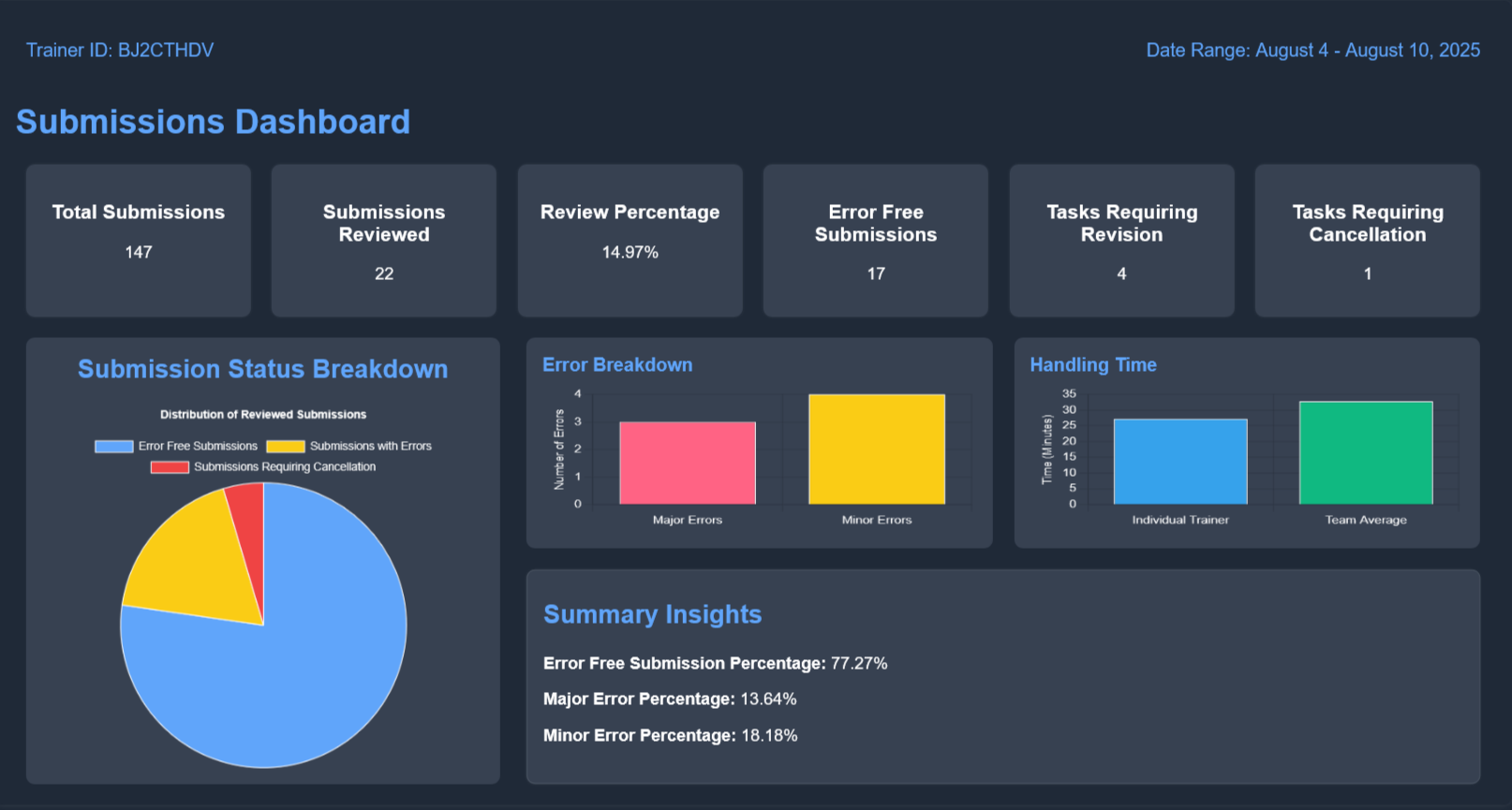
AI training submissions dashboard displaying performance metrics, error rates, and handling times — essential data for tracking your work quality and productivity across platforms.
2. Tax Implications for Freelancers
Freelancers must pay self-employment taxes (15.3% in the U.S.) and file quarterly estimated taxes. Platforms rarely withhold taxes, leaving you on the hook.
Tax Tips
Set aside 25-30% of earnings for taxes and use tools like QuickBooks or Wave for tracking.
Tax Lesson Learned
RedditA 2025 Reddit user, u/GigTaxWoes, shared how they faced a $1,200 tax bill after neglecting quarterly payments. They now use Wave's free invoicing tool to stay compliant.
3. Balancing AI Gigs with Other Work
Many annotators combine AI training with part-time jobs, studies, or side hustles. This requires time management to avoid burnout.
Time Management
Use the Pomodoro technique (25-minute work sprints) to stay focused during short sessions.
Student Success: Priya's Schedule
ClickworkerPriya, a student annotator (from a 2024 LinkedIn post), works 10 hours weekly on Clickworker while studying. She schedules tasks in 2-hour blocks to avoid clashing with classes.
Multi-Income Trend
A 2024 Fiverr survey found 55% of gig workers in tech roles balance multiple income streams, highlighting the need for scheduling tools.
Tips for Thriving in AI Training Gigs
- Diversify Income Streams: Join 2-3 platforms to hedge against project droughts. E.g., combine Appen's search tasks with Remotasks' image labeling.
- Upskill Constantly: Learn tools like Label Studio or basic Python to qualify for higher-paying tasks. Kaggle's free micro-courses take 4-6 hours and boost your resume.
- Network Online: Engage on X or Reddit's r/datascience to learn about new platforms or tasks. A 2024 X post by @AIJobsNow led 50+ annotators to a $20/hour Scale AI project.
- Protect Mental Health: Take breaks every 60-90 minutes to combat monotony. Apps like Forest gamify focus while encouraging rest.
- Track Earnings: Use a spreadsheet to monitor income across platforms. A 2025 Upwork template (free download) simplifies this.

Successful AI trainers leverage online communities and professional networks to discover high-paying projects, share platform tips, and stay updated on industry trends — essential for thriving in the gig economy.
The Future of AI Training Gigs: Worth the Hustle?
Automation looms—synthetic data and auto-labeling tools are advancing—but humans remain essential for nuanced tasks like bias detection or RLHF. A 2025 Gartner report predicts 80% of AI models will still require human input by 2030. While gig work has challenges, its flexibility and skill-building potential make it a viable path for many.
Success Story: Emma's Journey
Clickworker to Scale AIEmma, a Kenyan annotator (shared on X in 2025), started on Clickworker at $8/hour in 2023. By mastering CVAT and joining Scale AI, she now earns $22/hour on medical imaging tasks, supporting her family while working remotely.
"It's hard work, but the freedom and growth keep me going."
Future Outlook
Gartner predicts 80% of AI models will still require human input by 2030, ensuring continued demand for skilled annotators.
Conclusion: Make AI Training Work for You
AI training gigs offer a gateway to the tech world, with flexibility and global access that traditional jobs can't match. But they demand resilience to navigate job insecurity, taxes, and repetitive tasks. By diversifying platforms, upskilling, and managing time wisely, you can turn AI training into a rewarding career.
Ready to dive in? Sign up for a platform like Remotasks today, track your first week's earnings, and join our X community to share your journey!
What's your biggest gig economy challenge?
Drop it in the comments—we'll tackle it in our next post!
Ready to Start Your AI Training Gig Journey?
Join thousands of successful AI trainers who turned gig work into stable income